
Recent Posts

How Does a 6.74 Inch LCD Display Differ from a 6 Inch Screen?
Choosing the right display is crucial for an enjoyable viewing and interaction experience. The 6.74 inch...
What Is an All-Dielectric Self-Supporting Cable?
All-dielectric self-supporting cable (ADSS) is a specialized type of optical fiber cable designed for...
6 Different Types of PV Panels Explained
When considering whether to install solar panels, it is essential to understand the different types of...
What is Graphene Heating Pad
A graphene heating pad is an advanced heating device that uses graphene, a single layer of carbon atoms...
 How to Choose a Melamine Dinnerware Supplier
Choosing the right supplier is very important for businesses that buy wholesale melamine dinnerware....
What Can a Desktop Plastic Injection Machine Be Used For?
A desktop plastic injection machine is a compact interpretation of a traditional injection molding system,...
How to Choose the Right Lift Service Company
When it comes to maintaining, upgrading, or installing elevators, selecting the right lift service company is...
How do Sunglasses Manufacturers Improve the Clarity and Color Contrast of Cycling Lenses?
In cycling, visual clarity and color contrast are two critical factors that determine both safety and...
The Vital Role of TFT Display Modules in Automotive Display Systems
A tft display module has become an essential component in modern vehicles, providing drivers with clear...
What Ensures OMC Cable MPO Cord’s Low Insertion Loss?
In today’s era of high-speed data communication, the OMC Cable MPO Fiber Optic Patch Cord stands out...

Category

OMCcable

MPO Fanout Cable Applications And Where It Makes Sense To Use It

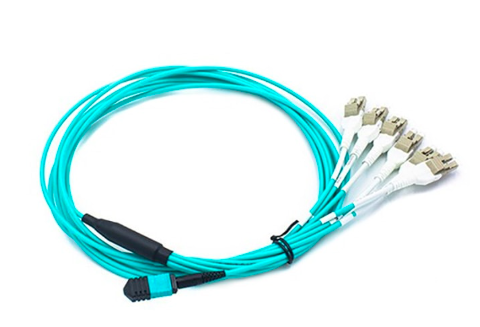
An MPO fanout cable is a breakout-style optical cable with an MPO connector on one side and multiple single-fiber connectors (such as LC, SC, or FC) on the other.

Unlike trunk cables that connect two high-density panels or two MPO ports, an MPO fanout cable plays a bridging role. It terminates multiple fibers through a single connector, which reduces installation time and avoids excessive cabling clutter. Instead of pulling 12 separate patch cords, one MPO fanout cable handles all channels at once.

Where MPO Fanout Cable Is Commonly Used

One of the most direct ways to understand the cable is to see where it gets deployed. The MPO fanout cable is not usually a general-purpose cable; it appears most often in structured and high-capacity optical environments.

Common deployment scenarios include:
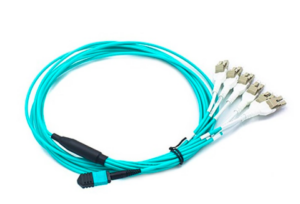
  • Connecting MPO backbone to LC ports on switches or routers.OMCcable
  • Breaking out MPO trunk into multiple LC patch points through cassettes or direct fanout.
  • Data center racks where equipment ports are individual LC but backbone is high-density MPO.
  • Multi-link connections for cloud servers and high-performance computing clusters.
  • SAN storage networks integrating both multiplexed and single-channel fiber systems.

In simple terms, the MPO fanout cable converts a multi-core highway into multiple local roads. It doesn’t replace trunk fiber; it distributes it.

Why Data Centers Rely On MPO Fanout Cable

As network density increases, traditional patching becomes harder to manage. Pulling dozens of individual LC cords takes time and space, and reconnecting them during maintenance can be frustrating. The MPO fanout cable solves several problems at once, which explains why data centers use it so heavily.

Key benefits that matter in practical environments:

  • Reduces cable mess inside high-density racks.
  • Speeds up installation and device commissioning.
  • Simplifies upgrades to 40G, 100G, or higher transmission rates.
  • Makes maintenance and replacement more predictable.
  • Bridges the gap between backbone high-fiber connectivity and device-level ports.

Instead of aiming for dramatic performance claims, its true value is convenience and efficiency.

Fiber Types And Connector Configurations People Should Know

Before purchasing an MPO fanout cable, it is important to understand that not all fanout cables are identical. Choosing the right one reduces rework and prevents mismatch between devices.

Typical variations include:

Fiber mode options

  • OM3/OM4 multimode for short-range, common in 40G/100G data centers.
  • OS2 single-mode for longer-distance or high-speed backbone links.

Breakout style

  • MPO to LC is most common for accessing transceiver ports.
  • MPO to SC or FC exists for specialized equipment.

Fanout count

  • 8-core, 12-core, or 24-core depending on trunk fiber count.
  • Higher counts reduce the number of cables needed overall.

Length choice

  • Short lengths for intra-rack cabling improve airflow.
  • Longer versions connect between rows, cages or floors.
  • Correct selection avoids installation bottlenecks and keeps the system scalable.

How MPO Fanout Cable Fits Into Modern Network Structure

Most facilities implementing high-bandwidth architecture follow a structured cabling approach. The MPO fanout cable plays a middle-layer role in that structure.

A typical layout looks like this:

  • Backbone uses MPO trunk cables for long-distance or high-density routing.
  • Distribution layer converts MPO to LC using cassettes or fanout assemblies.
  • Device-side ports receive LC connections directly without extra adapters.

This architecture allows fast equipment upgrades. When a rack is moved or a switch is replaced, engineers only deal with one fanout assembly instead of numerous loose patch cords. Planning the cabling this way reduces operational complexity.

Installation Practices That Improve Stability

Although installation of an MPO fanout cable is straightforward, proper handling makes a difference in long-term performance. Fiber is sensitive to bending, dust contamination, and physical stress. Many network interruptions come from simple mistakes during deployment.

To reduce risks, technicians often follow these steps:

  • Check polarity mapping before connecting to avoid cross-channel issues.
  • Maintain recommended bend radius, especially inside crowded racks.
  • Label both ends clearly for easier tracing and maintenance.
  • Keep connectors clean using appropriate fiber cleaning tools.
  • Avoid over-tight cable ties, which may squeeze the jacket.
  • Test insertion loss after installation to ensure consistent performance.

Good habits prevent troubleshooting later, especially during peak network usage.

Conclusion

When planning an upgrade or designing a new communication room, using MPO fanout cable as part of the architecture makes expansion easier in the future. By understanding where it fits, what configurations exist, and how to deploy it correctly, organizations can avoid wasted time and ensure reliability in high-bandwidth environments.

Share This Post

©goodnessshare . All Rights Reserved