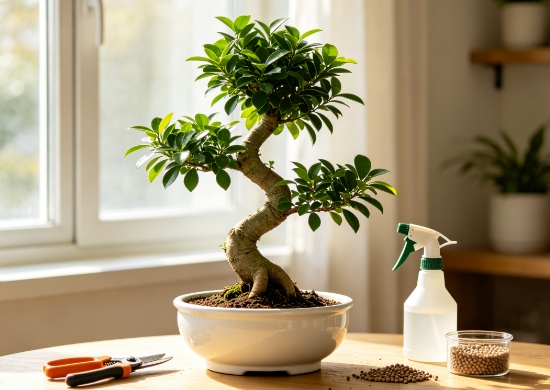
The ficus s shape plant is widely appreciated for its elegant curved trunk and lush green foliage, making it a popular choice for indoor decoration and landscape design. However, maintaining its unique shape and overall health requires consistent care and a proper understanding of its growth habits. Unlike ordinary houseplants, the S-shaped ficus is the result of careful training, meaning that its structure must be preserved through regular maintenance. Without proper care, the plant may lose its curved form, develop weak branches, or show uneven growth. To keep a ficus s shape plant healthy and visually attractive, it is important to manage its environment, watering routine, pruning schedule, and long-term maintenance strategy.
Proper Light Conditions for Healthy Growth
Light plays a crucial role in maintaining both the health and shape of a ficus plant. Insufficient or uneven lighting can cause distorted growth and weaken the curved structure.
- Bright indirect sunlight requirement: The plant grows best in well-lit spaces where it receives filtered sunlight, preventing leaf burn while supporting steady photosynthesis.
- Rotation for balanced growth: Regularly rotating the plant ensures that all sides receive equal light exposure, preventing one-sided stretching that may damage the S shape.
- Avoid harsh direct sun exposure: Strong direct sunlight for long periods can cause leaf dehydration and reduce the plant’s overall vitality.
- Indoor placement strategy: Near windows with sheer curtains or semi-shaded balconies are ideal locations for maintaining consistent growth.
Proper lighting ensures that the ficus’s shape maintains its symmetrical appearance while staying healthy and strong.
Watering and Soil Management Techniques
Water and soil conditions directly affect the root system and long-term stability of a ficus s shape plant. Incorrect watering is one of the most common causes of plant decline.
- Balanced watering schedule: Water the plant only when the topsoil becomes slightly dry, avoiding both drought stress and waterlogging.
- Well-draining soil selection: A mix of loamy soil, peat, and sand helps prevent excess moisture retention and supports healthy root oxygenation.
- Seasonal watering adjustment: During warmer months, watering frequency may increase, while in cooler seasons it should be reduced to avoid root rot.
- Pot drainage importance: Ensuring proper drainage holes in the container prevents stagnant water, which can damage the root system over time.
Maintaining proper soil and watering conditions helps stabilize the plant’s structure and supports continuous healthy growth.
Pruning and Shape Maintenance Practices
Regular pruning is essential for preserving the distinctive curved structure of a ficus s shape plant while encouraging controlled foliage growth.
- Removing unwanted shoots: Any branches growing outside the intended shape should be trimmed to maintain a clean S-curve structure.
- Encouraging balanced canopy growth: Cutting overly dense foliage helps light reach inner branches, improving overall plant health.
- Shaping during active growth periods: Pruning is most effective during spring and summer when the plant is actively growing and can recover quickly.
- Maintaining structural balance: Small, frequent pruning sessions are better than heavy trimming, as they help preserve stability and reduce stress on the plant.
Consistent pruning ensures the plant retains its artistic form while remaining vigorous and visually appealing.
Fertilization and Long-Term Nutrient Care
Proper nutrient management supports steady development and helps maintain the health of a ficus s shape plant over time.
- Balanced fertilizer application: A mild, balanced fertilizer supports leaf growth without causing excessive stretching of branches.
- Avoid over-fertilization: Too many nutrients can lead to rapid, uncontrolled growth that disrupts the S-shaped structure.
- Seasonal feeding strategy: Fertilizer should be applied more frequently during active growing seasons and reduced during dormancy periods.
- Micronutrient support: Elements like magnesium and iron help maintain leaf color and prevent yellowing.
Good fertilization habits ensure the plant remains strong while preserving its carefully trained shape.
Pest Control and Environmental Stability
Maintaining a stable environment and preventing pest problems are essential for the long-term health of a ficus s shape plant.
- Regular pest inspection: Check leaves and stems for common pests such as aphids or spider mites to prevent early infestations.
- Stable temperature conditions: The plant thrives in moderate temperatures and should be protected from extreme cold or heat.
- Good air circulation: Proper airflow helps prevent fungal issues and keeps foliage fresh and healthy.
- Cleaning and maintenance: Wiping leaves occasionally removes dust buildup, improving photosynthesis efficiency.
Environmental stability ensures that the plant maintains both its health and structural elegance over time.
Conclusion
Keeping a ficus s shape plant healthy requires a combination of proper lighting, balanced watering, regular pruning, careful fertilization, and stable environmental conditions. Each care step contributes not only to the plant’s overall vitality but also to preserving its unique curved structure. With consistent attention and proper maintenance techniques, the ficus’s shape can remain a long-lasting decorative plant that enhances both indoor and outdoor spaces with its elegant form and natural beauty.