

Choosing the right fiber pigtail can not only improve signal quality but also reduce future maintenance costs, making it an essential component of any optical communication system.
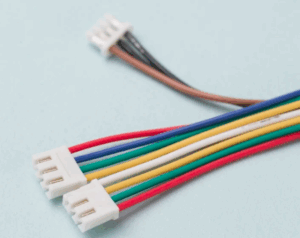
Before choosing a fiber pigtail, the first step is to identify the requirements of your specific application.
Connector type is one of the most important considerations when selecting a fiber pigtail. Each connector has different characteristics and fits specific devices:
Choosing a connector that matches your equipment ensures stable connections and prevents signal loss at the interface.
Another major factor is whether the application requires single-mode or multi-mode fiber pigtails.
Single-mode pigtails are designed for long-distance transmission, offering low attenuation and high bandwidth. They are widely used in telecommunications, metro networks, and long-haul connections.
Multimode fiber pigtails are better suited for short-range communication, such as within buildings or data centers.They provide cost-effective performance where distance is limited.
Understanding the distance and bandwidth needs of your project ensures that the fiber pigtail chosen is compatible with the network design.
The outer jacket of a fiber pigtail protects the internal fiber from physical stress, bending, and environmental exposure. PVC is commonly used for general indoor applications and offers flexibility. LSZH jackets are preferred in public buildings or data centers due to their low smoke and zero halogen properties.
For harsh industrial environments, armored fiber pigtails provide extra protection against crushing or rodent damage. Choosing a suitable jacket material ensures long-term reliability and reduces the risk of signal failure caused by mechanical strain.
To ensure stable transmission, evaluate performance specifications such as insertion loss, return loss, and fiber grade.
High-quality fiber pigtails typically have low insertion loss values, minimizing signal attenuation at the splice point. A good return loss rating ensures that reflections remain low, protecting the integrity of the transmitted signal.
It is also important to check the precision of connector polishing, fiber geometry, and compliance with industry standards. These features directly affect the performance of a fiber pigtail in demanding communication environments.
While length may seem like a simple factor, the wrong length can complicate installation. Fiber pigtails that are too short may restrict cable routing, while excessively long pigtails can cause clutter and unnecessary bends.
Choosing the correct length helps maintain proper cable management, reduces strain on the connectors, and ensures that fusion splicing can be performed comfortably. This contributes to better long-term performance and reduces maintenance issues.
Cost is always a factor, but the cheapest fiber pigtail is not always the most economical choice in the long run. Higher-quality pigtails offer more stable performance and lower maintenance costs. In networks where downtime is costly, investing in reliable fiber pigtails is a practical decision.
Balancing cost and quality ensures that the network meets both performance and budget expectations without unnecessary compromises.
Choosing the right fiber pigtail involves understanding network requirements, connector types, fiber modes, durability features, and performance standards. By evaluating these factors carefully, you can ensure that your optical network delivers stable, efficient, and long-lasting performance.