
Recent Posts

What Are the Benefits of Using a Liquid Filling and Capping Machine?
Liquid filling and capping machines have become essential equipment in many industries, including beverage,...
What Services Should A Trusted PLC Splitter Manufacturer Provide?
In modern fiber optic communication systems, PLC splitters play a critical role in distributing optical...
Why Choose Flat Ribbon Fiber Cable Over Traditional Fiber Cables?
In today’s high-speed digital world, fiber optic networks are the backbone of data transmission. As data...
How Does Bottling Line Equipment Work?
Bottling line equipment plays a crucial role in the production process, automating the filling, capping,...
What Machines Are Included in a Spice Filling Line?
In the spice processing industry, a complete spice filling line enables automated packaging, improves...
How Does a Linear Motor Actuator Differ from a Traditional Linear Actuator?
In industrial automation and precision manufacturing, linear actuators play a key role in system efficiency,...
How Does a Fiber Faceplate Work?
In modern fiber optic networks, the fiber faceplate is a critical yet often overlooked component. Many...
How Does a Filling Machine Manufacturer Support Global Shipping?
In today’s globalized market, the demand for global shipping support from filling machine manufacturers...
Can a Sauce Bottling Machine Handle Different Types of Sauces?
In the food processing industry, sauce production and packaging play a crucial role in ensuring product...
How Does Servo Technology Improve Bottle Filling and Capping Machines?
With the continuous advancement of industrial automation and smart manufacturing. Servo technology has...

Category

What Are the Latest Trends in the Packaging Machinery Industry?

The packaging machinery industry has seen a remarkable transformation in recent years, driven by technological advancements, sustainability demands, and changing consumer preferences. Companies operating in this sector are increasingly adopting innovative solutions to improve efficiency, reduce costs, and meet regulatory requirements. From smart automation to eco-friendly materials, the latest trends highlight how the packaging machinery industry is evolving to remain competitive in a fast-paced global market.

packaging machinery industry

1. Automation and Smart Technology Integration

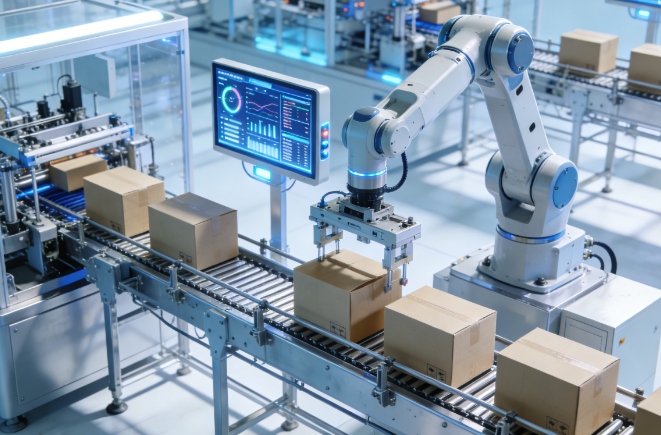
Automation has become a central focus in the packaging machinery industry. Manufacturers are leveraging advanced robotics, AI, and IoT-enabled systems to optimize production lines. Key aspects include:

  • Robotics and AI: Robotic arms and AI-driven quality inspection systems reduce errors and increase output consistency.
  • IoT Connectivity: Smart sensors and connected machinery allow real-time monitoring, predictive maintenance, and data-driven decision-making.
  • Flexible Production Lines: Automated equipment enables rapid adaptation to different product sizes and packaging formats, reducing downtime.

This trend is reshaping the way companies approach production efficiency, making smart technology a vital element in modern packaging operations.

2. Sustainable and Eco-Friendly Packaging Solutions

Environmental concerns are driving significant changes in the packaging machinery industry. Enterprises are increasingly adopting sustainable practices to minimize their environmental impact.

  • Biodegradable and Recyclable Materials: The use of compostable plastics, recycled cardboard, and paper-based packaging is becoming standard.
  • Energy-Efficient Machinery: Machines designed to consume less electricity and reduce waste help lower carbon footprints.
  • Minimalist Packaging Designs: Reducing material usage not only saves costs but also aligns with consumer preferences for eco-conscious products.

Sustainability is no longer optional; it is a critical factor in maintaining competitiveness and meeting regulatory requirements.

3. Customization and Consumer-Centric Packaging

In today’s market, personalization plays a key role in product appeal. The packaging machinery industry is responding with solutions that support customization:

  • Variable Data Printing: Machines can print unique codes, graphics, or promotional messages on each package, enabling targeted marketing campaigns.
  • Flexible Packaging Formats: Equipment capable of handling different shapes and sizes allows companies to cater to niche markets.
  • On-Demand Packaging: Quick-change systems help brands produce smaller, customized batches efficiently without slowing down production.

These innovations enable businesses to enhance brand recognition and connect more effectively with consumers.

4. Increased Focus on Safety and Compliance

Regulatory standards and consumer safety concerns are influencing machinery design and operation in the packaging machinery industry. Key developments include:

  • Hygienic Design Standards: Machines are being designed to meet stringent food safety and pharmaceutical regulations.
  • Advanced Quality Control Systems: Integrated vision systems and sensors ensure product integrity and reduce recalls.
  • Operator Safety Enhancements: Safety shields, automatic shutdowns, and ergonomic designs protect workers while maintaining production efficiency.

Ensuring compliance is essential for protecting both consumers and companies from potential risks and liabilities.

5. Data-Driven Production and Predictive Maintenance

The rise of data analytics is transforming operational strategies in the packaging machinery industry. Manufacturers increasingly rely on insights derived from machine data:

  • Predictive Maintenance: Analyzing equipment performance prevents unexpected breakdowns and extends machine life.
  • Process Optimization: Data tracking enables companies to identify bottlenecks and improve throughput.
  • Resource Management: Monitoring material consumption reduces waste and optimizes inventory levels.

Harnessing data not only improves operational efficiency but also reduces costs and enhances competitiveness in the industry.

Conclusion

The packaging machinery industry is evolving rapidly, shaped by automation, sustainability, customization, safety, and data-driven practices. Businesses that embrace these trends can improve efficiency, meet consumer expectations, and maintain a competitive edge. As technology continues to advance and market demands shift, staying informed about the latest innovations will be essential for long-term success in the packaging machinery industry.

Share This Post

©goodnessshare . All Rights Reserved