
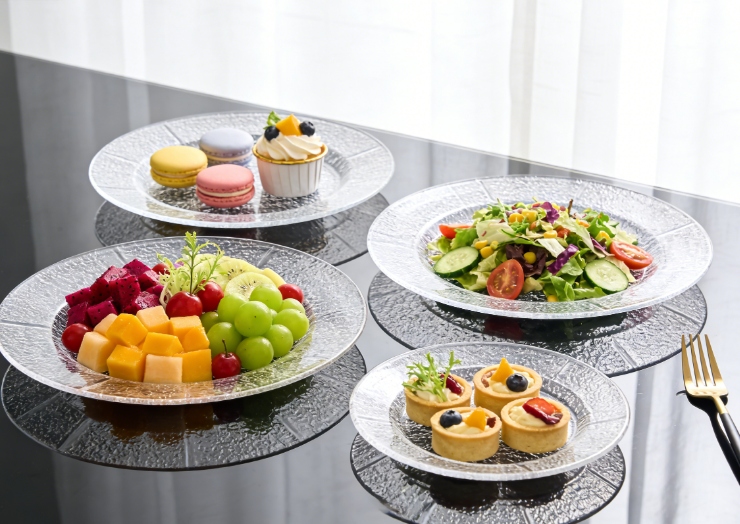
The acrylic serving plate has become an increasingly popular choice for both households and professional catering settings. Known for its lightweight design, durability, and elegant transparency, this type of serving plate offers both functional and aesthetic benefits. However, not all foods are equally suited for this material. Understanding what foods are best served on an acrylic serving plate can help you maximize its advantages while ensuring food safety and visual appeal.
One of the biggest advantages of an acrylic serving plate is its crystal-clear appearance, which makes it perfect for foods that rely on visual freshness and color contrast. Cold dishes, in particular, benefit greatly from this feature:
Because these foods are typically served cold or at room temperature, they are perfectly compatible with the temperature limitations of an acrylic serving plate.
Another category of foods that work exceptionally well with an acrylic serving plate is dry and easy-to-handle finger foods. These are especially common at parties, buffets, and casual gatherings:
First, items like cookies, crackers, and breadsticks are excellent choices because they do not produce moisture or grease that could affect the plate’s clarity.
Second, appetizers such as mini sandwiches, cheese cubes, and canapés are easy to arrange neatly, making the plate look organized and inviting.
Additionally, snacks like nuts, chips, and popcorn can be served without concern for heat or liquid damage.
The lightweight nature of the acrylic serving plate also makes it easy to pass around, making it highly practical for social settings.
Desserts are another perfect match for an acrylic serving plate, especially when presentation plays a key role in the dining experience. Unlike heavy ceramic plates, acrylic allows desserts to stand out visually without distraction:
However, it is important to ensure that desserts served on an acrylic serving plate are not too hot, as high temperatures may affect the material’s integrity.
While the acrylic serving plate is versatile, certain types of foods should be avoided to maintain both safety and longevity:
To begin with, extremely hot foods such as freshly cooked meats, soups, or grilled dishes can warp or damage the plate due to heat sensitivity.
Moreover, oily or heavily sauced foods may leave stains or scratches over time, reducing the clarity and visual appeal of the plate.
In addition, foods that require cutting with sharp knives directly on the plate can cause permanent marks, diminishing their polished look.
Being mindful of these limitations ensures that your acrylic serving plate remains in excellent condition for long-term use.
The versatility of an acrylic serving plate allows it to be used creatively across a wide range of occasions. For example, at formal events, it can be used to serve elegant hors d’oeuvres arranged in symmetrical patterns. In casual settings, it works well for snack assortments placed in a relaxed, free-form layout. For outdoor picnics or poolside gatherings, the durable and shatter-resistant nature of acrylic makes it a safer alternative to glass.
You can also layer multiple acrylic serving plate designs to create a tiered serving display, adding height and dimension to your table setup. This not only saves space but also enhances the overall visual impact of the presentation.
In summary, the acrylic serving plate is an excellent choice for serving a variety of foods, particularly cold dishes, dry snacks, and visually appealing desserts. Its transparency and lightweight design make it ideal for enhancing presentation, while its durability ensures practicality in different settings. By avoiding extremely hot or heavily greasy foods, you can maintain the plate’s quality and extend its lifespan. Whether for everyday use or special occasions, choosing the right foods for your acrylic serving plate will help you create a more stylish and enjoyable dining experience.