
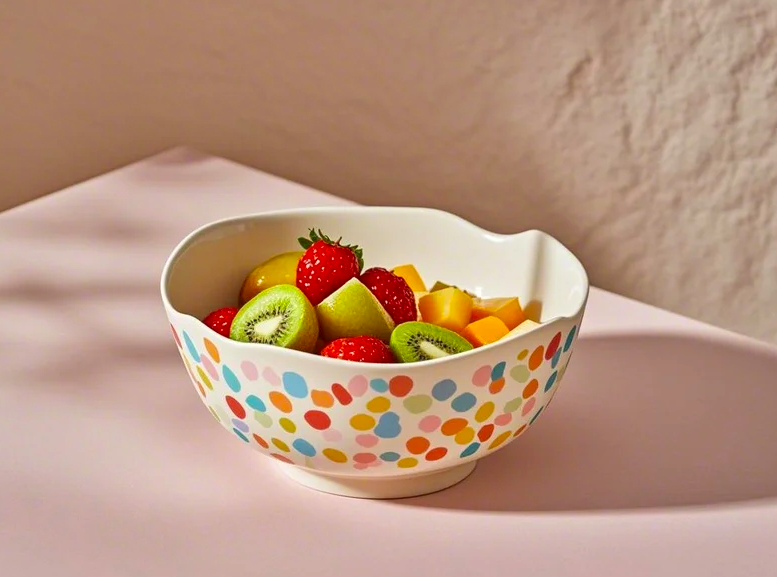
Melamine bowls have gained popularity recently due to their durability and versatility. However, many people wonder if these bowls are merely imitations of traditional porcelain bowls. This article delves into the characteristics of melamine bowls, comparing them to porcelain, and explores their unique properties and applications.
Melamine Bowl Composition
Melamine bowls are made from melamine formaldehyde resin, a type of thermosetting plastic. This material is created by combining melamine with formaldehyde under heat and pressure, resulting in a hard, durable substance. The manufacturing process involves molding the resin into desired shapes, which are then polished to achieve a smooth finish.
Porcelain Bowl Composition
Porcelain, on the other hand, is a ceramic material made from kaolin clay. It is fired at high temperatures (typically between 1200°C and 1400°C), which vitrifies the clay, making it non-porous and highly durable. The glaze applied to porcelain bowls adds an extra layer of protection and aesthetic appeal.
Impact Resistance
One of the standout features of melamine bowls is their impact resistance. Unlike porcelain, which can easily chip or break when dropped, melamine bowls can withstand significant force without damage. This makes them ideal for outdoor use, such as picnics or camping trips.
Thermal Properties
Melamine bowls have a lower thermal conductivity compared to porcelain. This means they remain cooler to the touch when holding hot foods, reducing the risk of burns. However, they are not microwave-safe, as high temperatures can cause the material to degrade and release harmful chemicals.
Safety Concerns
While melamine bowls are generally safe for everyday use, there are concerns about the potential release of melamine and formaldehyde when exposed to high temperatures or acidic foods. Regulatory bodies, such as the FDA, have set limits on the amount of these substances that can migrate into food, ensuring that melamine bowls are safe for consumer use.
Appearance
Melamine bowls can be designed to closely resemble porcelain, with a glossy finish and intricate patterns. However, they lack the translucent quality of high-quality porcelain, which is often considered more elegant and refined.
Weight and Handling
Melamine bowls are significantly lighter than porcelain, making them easier to handle and transport. This lightweight nature is particularly advantageous in settings where bowls are frequently moved, such as in restaurants or during outdoor events.
Cost-Effectiveness
Melamine bowls are generally more affordable than porcelain bowls. This cost-effectiveness, combined with their durability, makes them a popular choice for commercial establishments and households looking for practical dining solutions.
Melamine bowls are not mere imitations of porcelain bowls; they offer unique advantages that make them suitable for various applications. While they may not possess the same aesthetic appeal as high-quality porcelain, their durability, lightweight nature, and cost-effectiveness make them a valuable alternative. Understanding the properties and limitations of melamine bowls allows consumers to make informed decisions based on their specific needs and preferences.
In summary, melamine bowls and porcelain bowls each have their own set of benefits and drawbacks. The choice between the two ultimately depends on the intended use, desired aesthetics, and budget considerations. By weighing these factors, consumers can select the most appropriate option for their dining needs.