The Variegated Ficus is widely recognized as one of the most attractive indoor ornamental plants due to its elegant foliage and adaptability to indoor environments. With its distinctive green-and-cream leaf patterns, this plant has become a popular choice for homes, offices, hotels, and modern commercial interiors. Although some ficus species can grow outdoors in tropical climates, most variegated varieties are primarily cultivated as indoor plants because they perform best in stable temperatures and controlled lighting conditions. Their decorative appearance and manageable care requirements make them highly suitable for indoor living spaces.
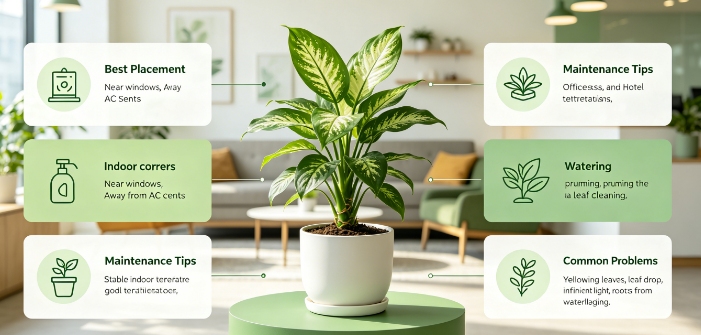
1. Why Variegated Ficus is suitable for indoor environments
The Variegated Ficus adapts well to indoor conditions because it can thrive in moderate light and stable temperatures commonly found inside buildings.
- Tolerance to indirect sunlight:
Unlike many outdoor plants that require direct sun exposure, variegated ficus grows best under bright but filtered indoor light. This makes it ideal for placement near windows, living rooms, and office spaces.
- Comfortable growth in room temperatures:
Most indoor environments maintain temperatures between 18°C and 28°C, which matches the preferred growth range for this plant.
- Compact ornamental growth habit:
Indoor cultivation naturally limits excessive growth, allowing the plant to maintain a manageable size suitable for decorative use.
- Air quality enhancement benefits:
Like many indoor plants, it can contribute to a fresher indoor atmosphere by supporting humidity balance and improving the visual environment.
2. Best indoor locations for healthy growth
Choosing the correct placement is essential for maintaining a healthy Variegated Ficus indoors.
- Near bright windows:
East-facing or north-facing windows are often ideal because they provide gentle natural light without excessive heat exposure.
- Away from strong air conditioning or heating vents:
Sudden temperature fluctuations and dry airflow can stress the plant and lead to leaf drop.
- Stable low-traffic corners:
Frequent movement or accidental contact may damage delicate leaves, so a stable location is preferable.
- Spaces with moderate humidity:
Bathrooms with natural light or humid living areas may support healthier foliage compared to extremely dry environments.
Proper positioning significantly affects leaf color, growth speed, and overall plant vitality.
3. Indoor care requirements and maintenance
Although the Variegated Ficus is considered relatively easy to maintain indoors, it still requires consistent care for long-term health.
- Balanced watering routine:
The soil should dry slightly between waterings. Overwatering is one of the most common causes of root problems indoors.
- Regular leaf cleaning:
Dust accumulation can reduce light absorption. Wiping leaves gently with a damp cloth helps maintain healthy photosynthesis.
- Occasional fertilization:
Applying diluted liquid fertilizer during the growing season supports vibrant foliage and steady growth.
- Pruning for shape control:
Timely pruning of indoor plants helps maintain their balanced and aesthetic appearance.
These simple maintenance practices help the plant remain healthy and visually attractive throughout the year.
4. Common indoor problems and how to prevent them
Like many indoor ornamental plants, the Variegated Ficus may encounter environmental stress if conditions are not properly managed.
- Leaf drop caused by sudden changes:
Relocating the plant too often or exposing it to rapid temperature shifts can trigger stress-related leaf loss.
- Reduced variegation in low light:
Insufficient lighting may cause new leaves to appear greener and less decorative.
- Root rot from excessive watering:
Poor drainage and constantly wet soil can damage the root system and weaken plant health.
- Dry leaf edges from low humidity:
Indoor heating systems may reduce humidity levels, causing browning around the leaf margins.
Preventing these issues mainly involves maintaining stable environmental conditions and observing the plant regularly.
Conclusion
The Variegated Ficus is indeed an excellent indoor plant thanks to its decorative foliage, adaptability to indoor climates, and relatively manageable care requirements. It performs best in bright indirect light, stable temperatures, and moderate humidity conditions commonly found in homes and offices. While it requires regular maintenance such as proper watering and occasional pruning, its elegant appearance and versatility make it one of the most desirable indoor ornamental plants for modern living spaces.