
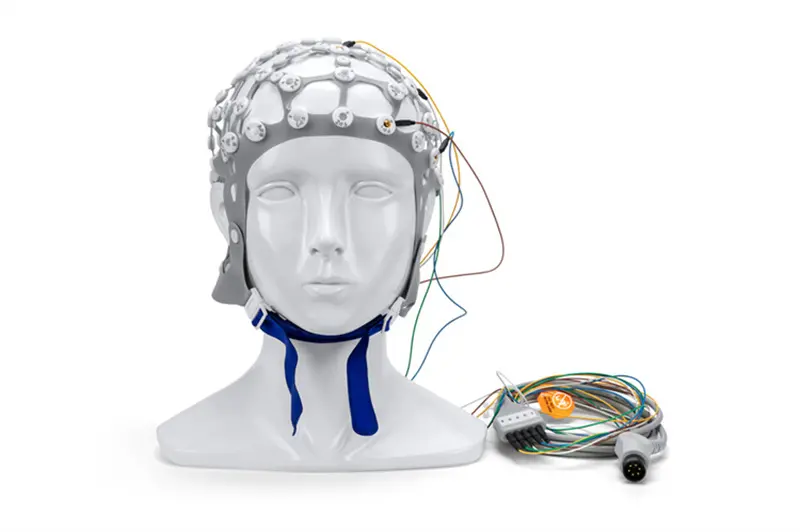
Transcranial Direct Current Stimulation (TDCS) is an emerging method in neuroscience that applies low-intensity electrical currents to specific brain regions to influence neural activity. This non-invasive approach has shown promising results in enhancing cognitive functions, managing mood disorders, and aiding neurological rehabilitation. A TDCS device is central to this technology, and selecting the right type is crucial for effective use. Below, we explore three prominent types of TDCS devices designed for different users and purposes.
A TDCS device delivers a constant, low-level electrical current—typically between 0.5 to 2 milliamps—through electrodes placed on the scalp. This current modulates the excitability of neurons, either enhancing or inhibiting brain activity in targeted regions. Compared to invasive brain stimulation methods, tDCS is comfortable to use and typically causes only mild or no side effects.
The device typically includes an electrical stimulator unit, electrode pads, and a control interface for adjusting parameters like current intensity, duration, and stimulation mode. It is used in a variety of settings, from home wellness applications to clinical therapy and neuroscience research. The adaptability and safety of TDCS devices have led to their increased popularity worldwide.
The E-TDCS01 is a portable handheld device designed specifically for individual use in home environments to support brain health. It’s single group of two channels simplifies operation, making it accessible for beginners.
Comfort during treatment is paramount. This device uses soft electrodes with an ergonomic headband, ensuring steady contact without discomfort. Pre-programmed modes address common goals such as improving focus, boosting memory, and promoting relaxation, making it a versatile tool for home users seeking non-clinical brain stimulation.
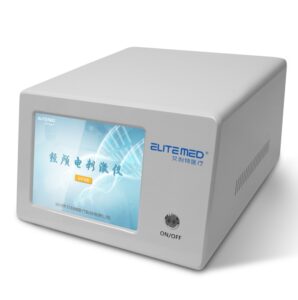
Designed for professional healthcare environments, the E-TDCS02 desktop TDCS device caters to clinical therapy demands with advanced functionality.
In addition to precise control, the device features data logging capabilities to track treatment progress and outcomes. Its multi-mode stimulation protocols are used to manage a range of neurological and psychiatric conditions, including depression, anxiety, and stroke rehabilitation. This makes the E-TDCS02 a flexible and effective tool in modern clinical practices.
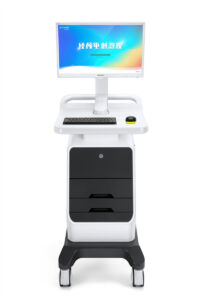
The E-TDCS03 is a trolley-based TDCS device intended for research institutions and advanced therapy centers requiring extensive capabilities.
This device’s capacity for simultaneous multi-site stimulation makes it invaluable for neuroscience research and large-scale clinical trials. Its safety features, such as impedance monitoring and automatic shut-off, guarantee compliance with rigorous research ethics and operational safety. The E-TDCS03 is also ideal for multi-patient therapy environments, enhancing clinical efficiency.
Choosing the appropriate TDCS device is essential to maximizing the benefits of transcranial direct current stimulation. The handheld E-TDCS01 provides a convenient and accessible option for individuals interested in home-based cognitive enhancement. The desktop E-TDCS02 delivers precision and flexibility needed in clinical environments, supporting tailored patient therapies. Meanwhile, the trolley-mounted E-TDCS03 stands out for its multi-channel capacity and advanced monitoring, fulfilling the rigorous demands of research and large-scale clinical treatments.
Understanding these models allows users, clinicians, and researchers to select the optimal TDCS device that aligns with their specific applications, ultimately enhancing therapeutic outcomes and advancing the field of non-invasive brain stimulation.