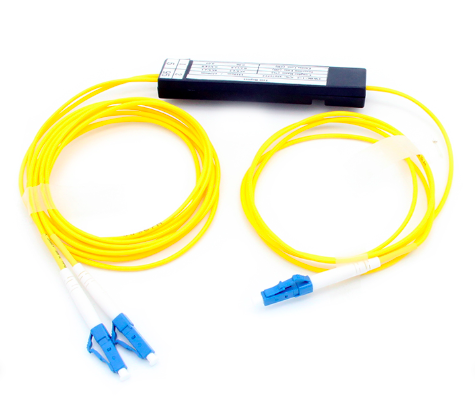
When setting up an optical fiber network, one of the most essential components you’ll need is an FBT coupler. These passive optical devices allow you to split or combine light signals in fiber-optic systems, making them crucial for a variety of applications, from telecommunications to data networks. Here, we will explore the most important aspects you should evaluate when selecting an FBT coupler.
What is an FBT Coupler?
An FBT coupler, short for Fused Biconical Taper, is a device designed to split or combine optical signals within fiber networks. It works by fusing two or more optical fibers together and tapering them into a biconical shape. This allows the device to split an optical signal into multiple outputs or combine multiple signals into one. FBT couplers are widely used in fiber-optic networks due to their simplicity, reliability, and cost-effectiveness.
Key Factors to Consider When Choosing an FBT Coupler
When selecting an FBT coupler, there are three key factors to consider that will directly impact the performance, reliability, and longevity of your network:
Performance and Compatibility
- Coupler Ratio: The splitting ratio (e.g., 1:2, 1:4) determines how the input signal is divided. Choose the ratio based on how many devices need to receive the signal. For example, a 1:2 coupler splits the signal into two equal parts, while 1:4 divides it among four devices.
- Insertion Loss: This describes the reduction in signal strength that occurs as light travels through the coupler. Lower insertion loss results in less signal degradation, which is important for long-distance transmission. Aim for a coupler with minimal insertion loss to maintain signal integrity.
- Directivity: Directivity measures how well the coupler directs light in the intended direction with minimal back-reflection. Higher directivity ensures better signal quality. A coupler with directivity over 55 dB is ideal for maintaining strong signal integrity.
Environmental Considerations
- Temperature Range: FBT couplers are designed to operate within a certain temperature range. Ensure that the coupler can withstand the environmental conditions of your installation site, whether it’s indoors, outdoors, or in extreme temperature conditions. Some couplers are rated for temperatures from -40°C to 85°C, which is common for industrial environments.
- Moisture Resistance: If the coupler will be exposed to high humidity or moisture, such as in outdoor or coastal environments, make sure to select one with adequate moisture resistance to prevent damage or performance degradation.
- Vibration Resistance: In high-vibration environments (e.g., industrial areas), choose couplers built to withstand mechanical stress and vibration without affecting performance.
Size, Packaging, and Cost
- Size and Packaging: FBT couplers come in different packaging options like in-line, miniature, or rack-mounted versions. Depending on your available space and system design, select the size and packaging that best suits your network setup.
- Cost and Quality: While low-cost couplers may seem appealing, investing in higher-quality options ensures better reliability, lower insertion loss, and improved directivity. Over time, high-quality couplers reduce maintenance costs and provide a more stable network performance.
Common Applications of FBT Couplers
- Fiber-to-the-Home (FTTH): In FTTH networks, FBT couplers distribute optical signals from a single source to several homes efficiently.
- Passive Optical Networks (PONs): In PON systems, FBT couplers distribute signals from the central office to multiple endpoints.
- Signal Monitoring: FBT couplers allow optical signals to be tapped for monitoring or testing purposes.
- Telecommunications: Widely used in various telecom applications, including data transmission, internet services, and cable networks.
How to Choose the Right FBT Coupler for Your Needs
By focusing on these three critical factors, you can choose the perfect FBT coupler for your network:
- Performance and Compatibility: Choose the correct coupler ratio, ensure low insertion loss, and aim for high directivity.
- Environmental Considerations: Select a coupler that can handle your installation’s temperature, moisture, and vibration
- Size, Packaging, and Cost: Pick a coupler that fits your system design, and balance costwith quality for long-term reliability.
Conclusion
Choosing the right FBT coupler is essential for maintaining the performance and efficiency of your optical network. By understanding key factors like the splitting ratio, insertion loss, wavelength range, and environmental considerations, you can make an informed decision and ensure the long-term reliability of your system. Whether you’re setting up a PON, a FTTH network, or a telecommunications system, selecting the right coupler is the first step toward a successful installation.
For more detailed information or assistance, consult with manufacturers or industry professionals who can provide personalized recommendations based on your specific network needs.