
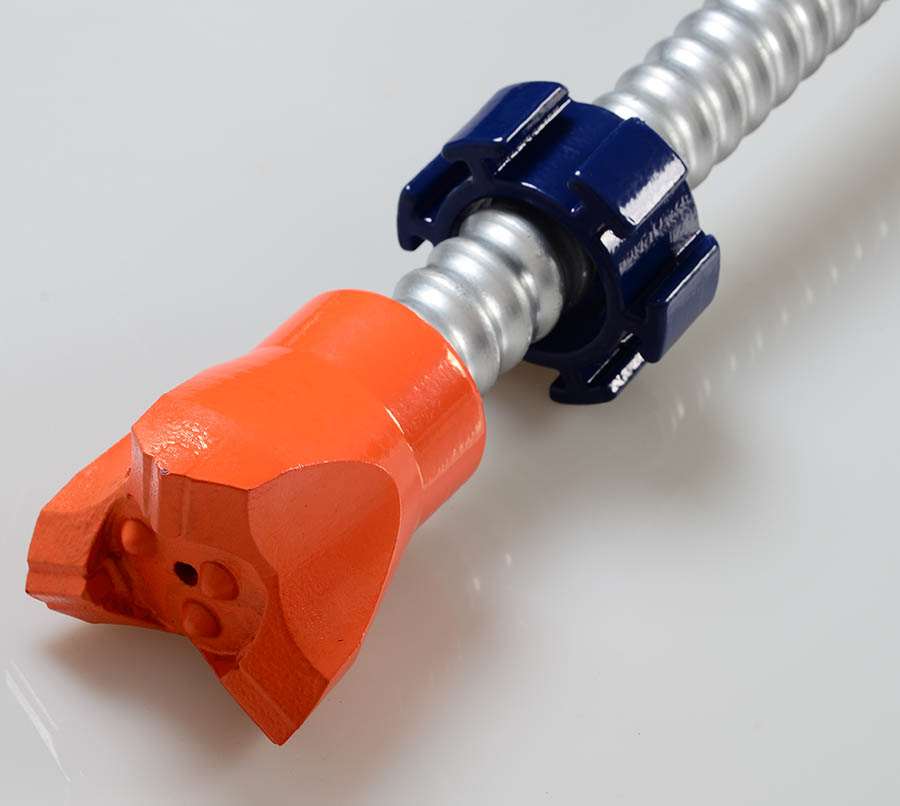
Ground anchor bolts are fundamental components in structural engineering, particularly in regions prone to seismic activity. These bolts secure structures firmly to their foundations, preventing dangerous movement during earthquakes. Unlike standard fasteners, ground anchor bolts are specifically designed to resist multidirectional forces, including uplift, shear, and lateral shifts caused by seismic waves.
By anchoring buildings and critical infrastructure, they minimize the risk of collapse and help preserve structural integrity. This makes them indispensable in the construction of homes, commercial buildings, bridges, and even utility installations in seismic zones.
In seismic zones, ground anchor bolts provide a vital connection between the superstructure and the foundation. During an earthquake, ground movement can exert immense stress on a building’s base. Properly installed anchor bolts absorb and redistribute these forces, preventing structural detachment and ensuring stability.
Key functions include:
Resisting lateral forces – Essential for preventing sideways movement.
Counteracting uplift forces – Helps keep the structure anchored when seismic forces attempt to lift it.
Reducing vibration impact – Supports damping systems in dissipating energy efficiently.
Modern building codes in seismic zones mandate the use of high-quality ground anchor bolts to achieve compliance. Regulatory standards often specify bolt types, sizes, and installation depths to withstand anticipated seismic loads. Failure to use certified anchor bolts can result in:
Legal penalties for non-compliance.
Increased risk of structural failure.
Higher insurance costs due to safety concerns.
These are designed to expand within drilled holes, creating a tight fit that resists both tension and shear forces. They’re commonly used for retrofitting existing buildings.
Epoxy anchors are ideal where drilling into concrete is required. Their strong bond with the substrate makes them reliable even under extreme seismic conditions.
Installed during the initial concrete pour, these bolts provide superior strength and are favored for new construction projects in high-risk areas.
Each type is selected based on project requirements, soil conditions, and expected seismic activity levels.
When choosing ground anchor bolts for seismic applications, several factors must be evaluated to ensure effectiveness and compliance:
Material quality: High-grade steel with anti-corrosion coatings is essential for longevity.
Load capacity: The bolt must handle the combined static and dynamic forces expected in a seismic event.
Soil characteristics: Soil stability influences anchor depth and design.
Installation precision: Proper alignment and torque settings prevent premature failures.
Before installing ground anchor bolts, engineers conduct a detailed assessment of the site to determine optimal bolt specifications and placements.
To resist seismic forces, anchor bolts must be embedded at sufficient depths. Shallow installations increase the risk of pullout during tremors.
To ensure performance, the following practices are crucial:
Using calibrated torque wrenches to achieve precise tightening.
Verifying alignment with structural drawings.
Inspecting concrete quality to avoid cracks or voids that could compromise holding power.
Well-designed and properly installed ground anchor bolts can save lives during earthquakes by keeping buildings standing and preventing structural debris from becoming hazards.
Structures anchored with superior bolts typically sustain less damage, resulting in significantly lower repair and reconstruction costs after seismic activity.
Premium ground anchor bolts resist corrosion, fatigue, and other environmental stressors, making them a sound investment for regions with frequent seismic events.
Recent advancements have led to the development of energy-dissipating anchor systems. These systems incorporate flexible elements that absorb seismic energy, reducing the stress transferred to the structure. Additionally, smart monitoring systems are being integrated to provide real-time data on bolt stress levels, enabling proactive maintenance.
For homeowners and property developers in seismic regions, understanding the critical role of ground anchor bolts is not just a technical concern—it’s a matter of safety and financial protection. When hiring contractors or inspecting construction plans, ensure that:
Certified ground anchor bolts are specified.
Installers follow best practices and building codes.
Regular inspections are planned to maintain bolt performance.
Neglecting this aspect can lead to catastrophic consequences during an earthquake.
Ground anchor bolts are not merely accessories in construction—they are essential safety components in seismic zones. Their ability to secure structures against lateral and vertical seismic forces makes them a cornerstone of earthquake-resistant design. Whether you’re building a new home or retrofitting an existing structure, investing in high-quality ground anchor bolts is a decision that protects lives, property, and peace of mind.