

The painted hand fan has long been admired as both an elegant work of art and a functional object. In many cultures, from East Asia to Europe, the fan holds deep cultural meaning while also serving a real purpose. Yet, there is an important distinction between decorative painted hand fans and those made for daily or performance use. Understanding this difference helps collectors, artists, and enthusiasts appreciate the fan not just for its beauty, but for its craftsmanship and history.
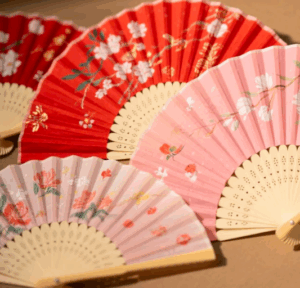
A decorative painted hand fan is primarily valued for its aesthetic appeal. Artists treat the fan surface like a miniature canvas, using fine silk or rice paper for painting. The motifs often include flowers, mythological scenes, or historical stories.
Gold leaf, lacquer, or even gemstone inlays may be used to enhance visual beauty. Such fans are rarely opened or waved — they are meant for display and collection, not for daily handling. Their purpose is to preserve craftsmanship and embody cultural meaning.
For collectors, the worth of a decorative fan lies in its artistry, signature of the painter, and the period of its creation — much like fine art on a scroll or porcelain.
Decorative fans are delicate. The ribs may be carved from ivory, sandalwood, or tortoiseshell, while the painting is often hand-applied with watercolors or inks. They are displayed in glass cases or hung on walls. Handling them too frequently can cause the pigments to fade or the frame to weaken.
In essence, decorative fans are art objects — beautiful, rare, and designed for admiration rather than function.
A practical painted hand fan balances artistic beauty with usability. It is typically made of bamboo or wood ribs with strong silk, cotton, or paper leaves that can endure repeated opening and closing. The paint used must be flexible and resistant to cracking.
Unlike purely decorative pieces, these fans are meant for daily cooling, traditional ceremonies, or dance performances. Many are still painted by hand, but the focus is on functionality and lightness.
Although practical fans are simpler than decorative ones, they are no less elegant. For instance, a performer’s painted hand fan might feature bold flowers or birds in bright colors to make movements more expressive on stage. Everyday fans may have more minimal designs but still showcase fine brushwork.
Their beauty lies in movement — how the painting comes alive when the fan opens, creating visual rhythm and harmony.
|
Feature |
Decorative Painted Hand Fan | Practical Painted Hand Fan |
|
Purpose |
Display, collection, decoration | Cooling, dancing, ceremonies |
|
Material |
Silk, lacquer, gold, ivory | Bamboo, wood, durable fabric |
| Durability | Fragile, not suitable for use |
Strong, foldable, flexible |
| Painting Style | Detailed, symbolic, artistic |
Simplified, expressive, functional |
| Value | High artistic and cultural worth |
Everyday usability and beauty |
This comparison shows that while both types share cultural roots, their design priorities differ — one focuses on preservation, the other on practicality and performance.
If you are a collector or appreciate traditional art, a decorative painted hand fan will fit your taste. Look for hand-painted fans with certificates of authenticity or those signed by well-known artisans. These pieces often appreciate in value and can serve as timeless décor in your home or studio.
If you prefer something for personal use or dance, choose a practical painted hand fan made with flexible materials and strong joints. Ensure the fan opens smoothly and the paint is water-resistant. Many modern workshops even offer custom designs that combine beauty and utility.
In today’s world, the painted hand fan remains a bridge between tradition and modern creativity. Some brands design hybrid versions — functional fans with exquisite hand-painted patterns. Artists also reinterpret traditional fan art through digital printing or eco-friendly materials, bringing new life to this ancient craft.
At exhibitions or cultural events, both types — decorative and practical — are celebrated as symbols of human artistry and cultural dialogue.